Global warming has been affecting the planet since the mid-1800s, and the rate of warming and the planet’s temperature have reached unprecedented levels in the past 10,000 years. Unfortunately, the planet will continue to warm in the coming years: according to the United Nations, the period between 2015 and 2024 has been warmer than any previous decade since 1850.
Extreme heat has swiftly become a public health concern. For healthcare facilities and hospitals around the world, it is an operational risk. Facilities need to be as resilient as possible, planning their operations with extreme summer temperatures in mind, allowing them to accommodate a surge in hospitalizations and emergency room (ER) visits, and ensuring healthcare professionals’ overall wellness and comfort.
This article provides helpful guidance on how healthcare facilities can care for both their patients and staff members amid surges in temperatures and hospitalizations.
How Hospitals Can Care for Patients and Staff During Extreme Heat
The following are helpful tools and policies to keep healthcare professionals and patients healthy and safe during summer heat waves:
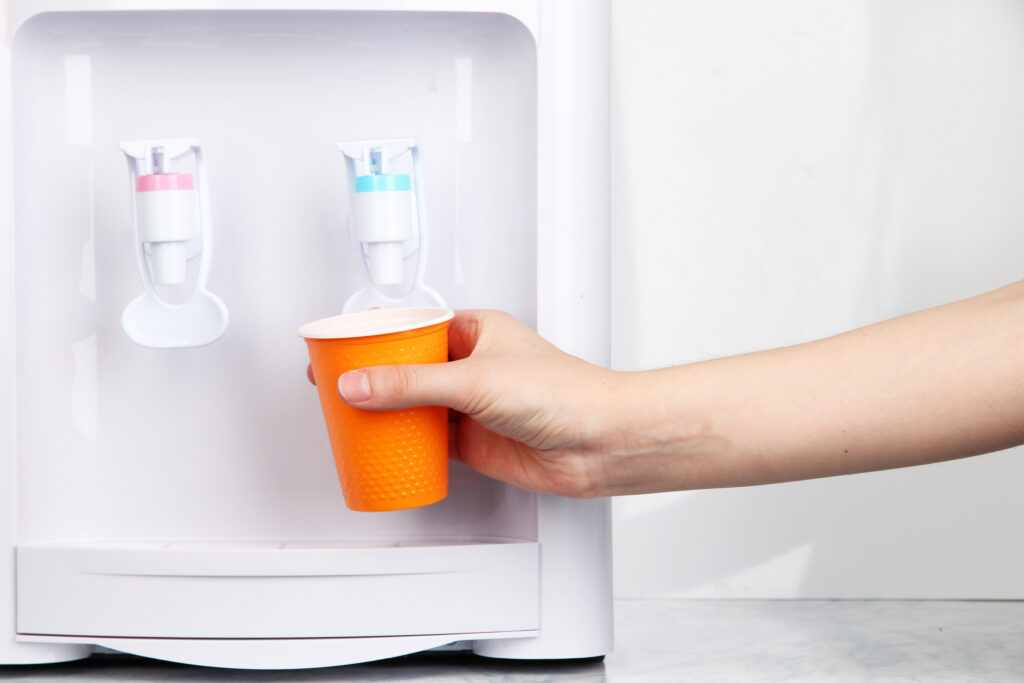
- Provide cool and clean water. By providing access to cool and clean water, hospital employees as well as patients will be encouraged to drink water often, which can drastically reduce the risk of dehydration. Patients need proper hydration to keep their immune systems up, reduce the risk of infections, and promote recovery. Meanwhile, nurses need to drink water often to keep cognition and concentration at optimal levels and fight off fatigue, which can enable them to provide high-quality, patient-centric care.
Ensure that the following are carried out to keep patients, visitors, and staff safe and hydrated:- Cool or refrigerated water should be accessible near work areas and patient/visitor waiting areas.
- Individual, disposable drinking cups should be provided for staff, visitors, and patients.
- Drinking water should be regularly monitored and tested for quality and safety, ensuring that it’s free from harmful contaminants.
- Onsite drinking water purification systems and equipment must be regularly tested and maintained.
- Water storage tanks should be kept away from direct sunlight and excessive heat.
- Provide cooling zones. Dedicated cooling zones in hospitals — which are areas that can provide immediate cooling to effectively lower body temperatures — can help healthcare professionals safely manage patients suffering from heat-related illnesses and provide immediate relief to patients. These spaces can also allow healthcare professionals to provide targeted assistance and reduce the need for emergency care and critical care services during heat waves.
Ensure that:- Cooling zones are equipped with air conditioning, fans, and access to cool drinking water. These can help reduce heat stress, prevent complications and progression to more severe conditions like heat stroke, and support faster recovery.
- Vulnerable patients, including older individuals, infants, and those with chronic conditions, are prioritized in these spaces as they are at higher risk during extreme heat events.
- Have high-efficiency cooling systems. Aside from having specialized cooling zones, hospitals should also have hospital-wide high-efficiency cooling systems, which can maintain safe indoor temperatures, prevent sensitive and critical equipment from overheating, and reduce energy costs. Cooling systems can also improve air quality and infection control, which can reduce the spread of germs, viruses, molds, and allergens. When healthcare facilities have proper indoor air quality (IAQ) via effective heating, ventilation, and air-conditioning (HVAC) systems, hospital-acquired infections are drastically reduced.
- Provide ample shade for outdoor workers. Healthcare facilities have a large number of outdoor workers, such as facilities staff, security personnel, and those transporting patients or supplies. These employees face direct sun exposure that can lead to heat exhaustion, dehydration, and reduced alertness.
Ensure that:- There are shaded break areas so that employees who choose to take their breaks outdoors can be protected from the sun.
- Covered walkways and canopies are provided over parking lots.
- Give ample rest breaks and strictly enforce them. Nurses must be given ample breaks to rest, drink water, and use the restroom. Working long shifts, especially when temperatures are high, can lead to dehydration, fatigue, and heat-related illness. When this happens, focus and decision-making can potentially be impaired.
Ensure that:- Nurses are able to take scheduled breaks in cool areas with access to cool drinking water.
- Nurses have on-the-floor coverage so that they can take their breaks and keep patients safe. Oculus Health can help provide full-time, part-time, PRN healthcare coverage to keep your healthcare facility operating at optimal capacities while keeping your staff safe and healthy. Learn more about our healthcare solutions here.