
Healthcare facilities are filled with patients in need of care, healthcare workers eager to help, and, unfortunately, unseen hazards that can cause accidents and injuries. Although healthcare facilities are regulated and designed with safety in mind, various workplace hazards still abound, and nurses and nurse managers must be made aware of them to avoid and prevent them promptly. Understanding the occupational hazards for nurses is critical to maintaining a safe and productive healthcare environment.
This article discusses the top four workplace hazards for nurses and provides helpful tips on how to prevent them.
Top 4 common workplace hazards for nurses
1. Slip, trip, and fall hazards
Large equipment and devices, contaminants on the floor, poor drainage, and uneven or irregular surfaces can all contribute to slip, trip, and fall (STF) incidents in the workplace. STF incidents can lead to injuries such as fractures and disabilities, gravely impacting healthcare workers’ quality of life. According to the US Bureau of Labor Statistics (BLS), STFs are the second most common cause of lost-workday nonfatal injuries in nursing care facilities.
Because these incidents can affect nurses’ ability to perform their tasks, STFs can result in reduced efficiency, productivity, and ability to care for patients. According to the Centers for Disease Control and Prevention (CDC), the most common STF hazards in healthcare facilities are contaminants on the floor, which include water, grease, oil, and food. These hazards can make the floor slippery, causing healthcare workers to slip and fall.
To prevent STF falls due to floor contaminants, floors must be kept clean and dry at all times. Healthcare employees must report or clean up spills immediately, as well as invest in slip-resistant shoes. Healthcare organizations must have a strong housekeeping program in place and provide facilities such as secure mats, umbrella bags, and paper towels to keep entrances and key areas spill-free.
2. Infectious diseases
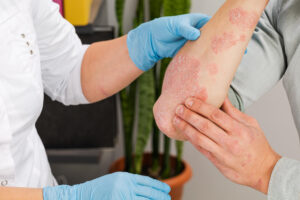
Due to their proximity and exposure, nurses who care for patients with infectious illnesses are at risk of acquiring them themselves. According to a 2024 report, 57.5 Registered Nurses (RNs) have acquired at least one infectious disease in the workplace. When nurses sustain infectious diseases, they take time off to recover, which directly affects healthcare organizations’ workforce capacities and the level of patient-centered care they can provide.
Some of the most commonly found infectious diseases in healthcare settings are as follows:
· Hepatitis B (HBV): HBV is the most prevalent work-related infectious illness in the US. It is typically transmitted when an infected patient’s blood, saliva, semen, or feces gets in contact with a non-infected person.
· Influenza: Also known as the flu, influenza is a respiratory virus that affects the nose, throat, and lungs.
· Methicillin-resistant Staphylococcus aureus (MRSA): A strain of the common staph bacteria that can infect various parts of the body, such as the skin, lungs, and bloodstream. This is typically transmitted when an uninfected person comes in contact with the skin, wounds, or things that have been touched by an infected person.
· Tuberculosis (TB): A bacterial infectious disease that typically affects the lungs, spreading through the air when an infected person sneezes, coughs, or spits. TB-infected persons can experience various symptoms, including prolonged coughing, chest pain, and fatigue.
To reduce the risk of nurses acquiring infectious diseases in the workplace, healthcare managers and employers should implement safety and protective measures, including proper patient screening and isolation, mandating and training employees on the use of personal protective equipment (PPE), and implementing exposure notification and source control.
3. Musculoskeletal disorders
Oftentimes, nurses develop work-related musculoskeletal disorders (WMSDs) due to regularly lifting and transferring patients and standing for long periods. WMSDs can limit nurses’ ability to move and perform their tasks effectively and efficiently, impacting their quality of life both at work and outside of work. Studies show that nurses are at a higher risk of developing WMSDs than other occupations, including manufacturing workers and doctors, with prevalence ranging from 60 to 98%.
Nurses typically develop WMSDs in the following body parts:
· Lower back
· Ankle
· Feet
· Knee
· Shoulders
· Neck
· Wrist
Nurses can reduce the risk of developing WMSDs by practicing proper body mechanics, using assistive devices at work, such as Hoyer lifts, and doing strength-training and mobility exercises.
4. Chemical hazards
Hospitals must be kept sterile at all times, which is why cleaning products, sterilants, and disinfectants are commonly used. Unfortunately, these very items that keep the hospital and medical equipment clean can also cause irritation, infections, and illnesses when handled improperly. According to the World Health Organization (WHO), cleaning agents and disinfectants have been linked to a staggering 67% increased risk of new-onset asthma in nurses.
The CDC lists the following common chemical hazards in healthcare:
· Chemical sterilants: These are the chemicals used to keep surgical instruments and medical supplies sterile, such as ethylene oxide and hydrogen peroxide gas plasma. Exposure to these chemicals can lead to headaches, respiratory irritation, nausea, and shortness of breath.
· Aerolized medications: These are medications used to treat respiratory diseases, such as asthma and pneumonia.
· Anesthetic gases: Patients who are having surgery are typically given general anesthesia to prevent them from feeling pain and discomfort. At times, anesthetic gases leak into the room, otherwise referred to as waste anesthetic gases. When healthcare workers are exposed to these gases, they can develop headaches, fatigue, and drowsiness. They can also develop judgment and coordination difficulties.
· Antineoplastic drugs: These are drugs that are used to treat cancer, arthritis, multiple sclerosis (MS), and other non-cancerous conditions. Exposure to these kinds of drugs can lead to an increased risk of developing leukemia, other types of cancer, and reproductive issues.
To reduce the risk of developing irritation and diseases due to chemical hazard exposure, nurses must be trained on how to safely use and handle medications and drugs, wear PPE (including protective gloves and water-resistant gowns or outer garments), and understand standard operating procedures for the safe use of chemicals.
Understanding Workplace Injuries in Nursing
Workplace injuries in nursing can stem from repetitive strain, exposure to infectious agents, or accidental chemical contact. Recognizing these risks early allows healthcare administrators to take proactive safety measures such as ergonomic training, safe patient handling programs, and consistent incident reporting systems.
By prioritizing awareness, education, and preventive action, hospitals and healthcare institutions can significantly reduce workplace injuries in nursing, ensuring that nurses remain healthy, motivated, and able to provide the highest quality care.